
The human brain becomes glue code when systems refuse to connect themselves.
When interfaces hide data—or separate it from the actions that depend on it—users are forced to stitch storage and operation together. They remember values, translate context, reconcile constraints, and reapply information the system already has but fails to surface at the right moment. What looks like a clean interface is often invisible complexity pushed onto cognition.
This is not a local usability issue. It is a systems failure.
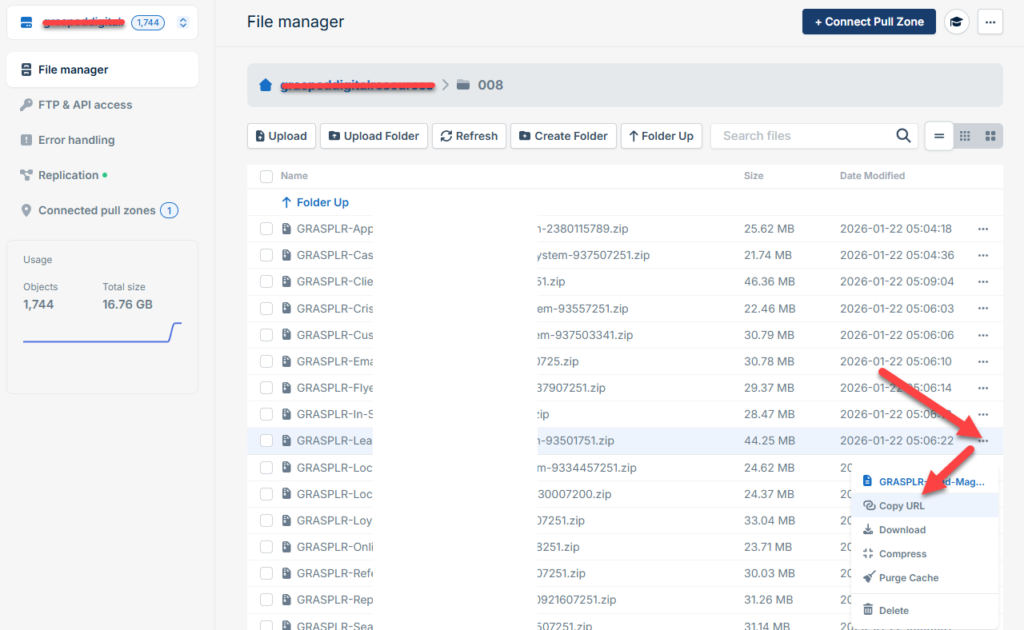
Hidden Data Doesn’t Disappear—It Migrates Into the User’s Head
Designers often hide data to reduce visual clutter. But data removed from the interface does not disappear from the workflow. It moves into working memory.
Users are asked to remember:
-
A value set on a previous screen
-
Where a file lives relative to the action they want to take
-
Which constraint applies before an operation is allowed
Each omission turns the user into middleware. The brain holds state, translates context, and passes it forward. The interface looks simpler, but the system has externalized its integration cost.
Humans are bad at this job.
Cognitive Glue Code and Manual State Management
Cognitive glue code is the mental work required to bridge gaps between:
-
Data storage (where information lives)
-
Operations (where actions occur)
In well-designed systems, these layers are tightly coupled. Data appears where it is needed, when it is needed, in a form ready for action. In broken systems, they are split apart. Users must recall information from one place, navigate elsewhere, and manually reapply it.
This is manual state management. Every added step increases error, fatigue, and abandonment.
Software engineers know glue code is fragile. Human glue code is more so.
Why “Clean” Interfaces Create Dirty Cognition
Minimal interfaces often optimize for visual simplicity rather than cognitive continuity. They remove information deemed “unnecessary” without asking a more precise question: unnecessary for whom, and at what moment?
A value hidden behind a click, a setting buried three levels deep, a dependency revealed only after failure—all force users to reconstruct context across time and space. The interface feels calm because the user absorbs the tension.
The effects are predictable:
-
Constant double-checking
-
Hesitation before action
-
Reliance on notes, screenshots, or memory aids
-
Self-blame for errors caused by missing context
When cognition carries the integration burden, trust erodes.
Designing Systems That Eliminate Human Glue Code
The goal is not to show all data everywhere. The goal is to eliminate unnecessary translation between knowing and doing.
Effective systems follow three principles:
- Co-locate data and action
If a decision depends on information, surface that information at the moment of action. - Preserve visible state across transitions
When users move between screens, carry context forward. The system should remember so the user does not have to. - Make relationships explicit
Show how inputs affect outcomes. When causality is visible, users stop acting as interpreters.
Good systems integrate themselves. Bad ones ask users to finish the wiring.
Stop Letting Brains Patch What Systems Should Connect
Every time a user says, “Let me go back and check,” the system has failed to maintain its own state.
Human adaptability is real, but it is not free. Forcing people to act as glue code taxes attention, increases errors, and drains momentum.
The best interfaces do not just look simple.
They remove the need for mental integration.
When data and action move together, cognition can focus on intent—not repair.