
Psychological Hook System
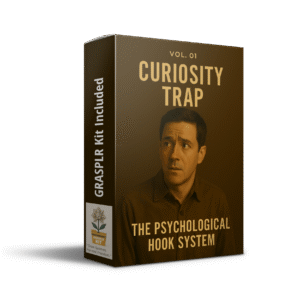
Psychological hook systems provide insights into the psychology of attention and persuasion. Learn to design hooks that capture interest, trigger curiosity, and keep people engaged. Continued below…

Showing 46–55 of 55 results









Showing 46–55 of 55 results
Psychological Hook System
The products in this collection turn attention into architecture. Each one reveals how to design curiosity as a system—how rhythm, contrast, and empathy can pull the mind forward without force. These frameworks treat the hook not as a gimmick but as a bridge between recognition and relevance. Attention isn’t stolen here; it’s earned through resonance.
Emotion Before Information
Across these guides, emotion is treated as the ignition point. They show how feeling creates focus—how a single phrase tuned to an unmet need will outlast a dozen clever claims. Every template and training module in this series teaches balance: emotion opens the door, information keeps it open. The strongest hooks don’t just provoke—they fulfill. Empathy becomes the engine that sustains curiosity once it’s sparked.
Patterns That Pull
These resources decode the cognitive mechanics of fascination. The brain loves patterns—but it loves disrupted ones even more. Frameworks within this system teach how to use rhythm, contrast, and tension to hold attention like gravity. You’ll learn how repetition builds familiarity while novelty injects life, creating the irresistible interplay between comfort and surprise that makes a message unforgettable.
Curiosity with Care
Every product here reinforces one truth: manipulation breaks trust, but understanding deepens it. These frameworks teach you to hook ethically—by mirroring what people already feel and guiding that emotion toward clarity. The goal isn’t control; it’s connection. Curiosity becomes compassion in motion.
In the end, the Psychological Hook System isn’t about grabbing—it’s about guiding. When emotion, rhythm, and empathy align, attention stops being a chase and becomes a choice. Your message doesn’t demand to be heard—it compels understanding.